Help with Practical Tasks
Recovering from surgery can limit your friend ability to take care of themselves. Offering to help with everyday tasks can relieve a lot of stress. Some ways you can assist include:
- Household chores: Take care of cooking, cleaning, laundry, and grocery shopping so she can focus on resting.
- Meal preparation: Prepare easy-to-digest, nutritious meals that will aid in her recovery. Foods rich in fibre and lean proteins can help with healing while avoiding anything that might cause discomfort or bloating.
- Childcare and Pet Care: If she has children or pets, offering to babysit or walk the dog can be incredibly helpful.
By lightening her load, you allow her the space she needs to heal.
Be Patient and Compassionate
Recovery after endometriosis surgery is not always straightforward. Your friend may have good days and bad days. They might feel frustrated if the recovery process seems slow or if they’re still dealing with lingering pain or fatigue. Being patient is key.
- Listen Without Judgment: Let them talk about their pain, fears, or frustrations without offering immediate solutions or dismissing their feelings. Just being a compassionate listener can be a huge source of comfort.
- Respect Their Pace: She may not be able to socialize or be active as quickly as you and her hoped. Reassure her that it’s okay to take time and rest as needed.
- Offer Emotional Support: Acknowledge her struggles, and be there when she needs someone to talk to. This can also include supporting her through moments of sadness, anxiety, or frustration over her condition.
Accompany Her to Follow-Up Appointments
After surgery, there will likely be follow-up appointments with her healthcare provider to monitor her recovery. Offering to accompany her to these appointments can be a great show of support.
- Help them remember questions: Medical visits can be overwhelming, so help her keep track of any questions or concerns she might want to bring up with her doctor.
- Provide emotional support: Sometimes, it’s comforting to have a friend or family member by her side to navigate post-surgery care instructions and any new developments.
Check In Regularly
Even after the initial weeks of recovery, it’s important to continue checking in with your friend. Endometriosis is a chronic condition, and the healing process can extend well beyond the surgery.
- Send texts or call to see how she’s feeling: These little gestures show that you care, even if you can’t be with her in person all the time.
- Offer ongoing help: As she slowly regains strength, she might still need help with things like meal prep, errands, or simply someone to talk to as she navigates her recovery.
Respect Her Boundaries
Recovery is deeply personal, and while you may want to offer constant support, it’s important to respect her need for privacy or independence. If she needs space, give it to her.
- Ask instead of assuming: Rather than assuming what she needs, simply ask: “What can I do to help you today?” Sometimes, she may just need someone to sit quietly with her or to let her rest without interruption.
Supporting your bestie after endometriosis surgery requires a balance of compassion, patience, and practical assistance. By being present, understanding their needs, and offering help in meaningful ways, you can make her recovery journey smoother. Remember, the most important thing you can do is to be there—physically or emotionally—when they need you most. Your love and support can make a world of difference in her healing process.
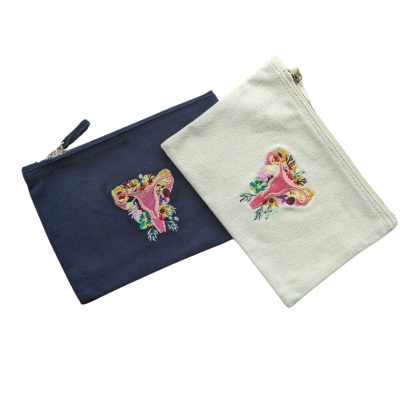
Support Women’s Health with the Endo Collection!
Our Endo Collection is more than just beautiful design—it’s about raising awareness and supporting women’s health. Make a difference today. Explore the collection and support this important cause! To find out more click here
Join the conversation over on our Instagram
How to Support a Friend After Endometriosis Surgery

How to Get the Most Out of Your Gynaecologist Appointment
How to Get the Most Out of Your Gynaecologist Appointment. Visiting your gynaecologist can be an intimidating experience. With waiting lists at an all-time high, it’s important that you get your symptoms across as best as you can in order to make sure you get the help...