

When shopping for a menstrual cup, you’ll often see terms like “body safe” thrown around. It sounds reassuring, right? We all want to believe that anything designed for use inside our bodies has been rigorously tested and certified. But unfortunately, in the UK and many other countries, the term “body safe” isn’t as regulated as it should be, especially when it comes to menstrual products.
So, what does “body safe” really mean, and how can you make sure your menstrual cup is genuinely safe for your body
The Problem with “Body Safe” Labeling
In the UK, menstrual cups and other menstrual products are not classified as medical devices. That means there are no legal requirements for companies to prove their product is safe before labeling it as “body safe.” In fact:
- “Body safe” is not a protected term. Any company can slap it on their packaging without undergoing testing, approval, or regulation.
- Not all silicone is the same. Many consumers associate silicone with safety, and unfortunately, shady sellers use this to their advantage. Some cheap menstrual cups may be made from industrial-grade silicone, which is not intended for internal use. Only medical-grade silicone (or TPE) is safe for use in menstrual products.
How to Tell If Your Menstrual Cup Is Actually Safe
When it comes to choosing a menstrual cup, don’t take the term “body safe” at face value. Here’s what to look out for:
Check the Materials
If a product listing is vague about the materials used or doesn’t mention whether the silicone is medical grade, proceed with caution. A reputable brand will always be transparent about their materials. Tip: Look for phrases like “medical grade silicone” or “medical grade TPE.” If the brand dodges questions about materials, that’s a red flag.
Avoid Bargain Menstrual Cups
It might be tempting to buy a menstrual cup for a few pounds from Amazon, eBay, or AliExpress, but these ultra-cheap options are often made with substandard, unsafe materials. The truth is, medical-grade materials aren’t cheap, and if a cup is extremely inexpensive, it’s likely cutting corners somewhere.
Buy from Trusted Retailers
Only purchase from brands and shops that thoroughly vet their products. Look for companies that prioritize safety and have transparent sourcing, production, and testing standards.
Why This Matters
Your menstrual cup isn’t just a product, it’s something you’re putting inside your body. That means the materials and manufacturing processes matter a great deal. Exposure to unknown or untested substances can lead to irritation, infections, or worse.
We believe “good enough” is never good enough when it comes to your health. That’s why we only stock menstrual cups and discs made from certified medical-grade silicone or TPE materials specifically designed for internal, long-term use. Every product we carry has been carefully selected and thoroughly vetted to meet the highest safety and quality standards, not the bare minimum.
Before you purchase a menstrual cup, take a moment to look past the marketing and do a little digging. The term “body safe” might not mean what you think it does, but armed with the right information, you can make a choice that’s genuinely safe and right for your body.

One Reusable Period Pad Will Change Your Period Game
One Reusable Period Pad Will Change Your Period Game. Have you ever thought about the environmental impact of disposable pads or tampons? It’s estimated that the average woman will use over 12,000 disposable pads and tampons in her lifetime. This means a lot of waste...
Related products
-
Sale!
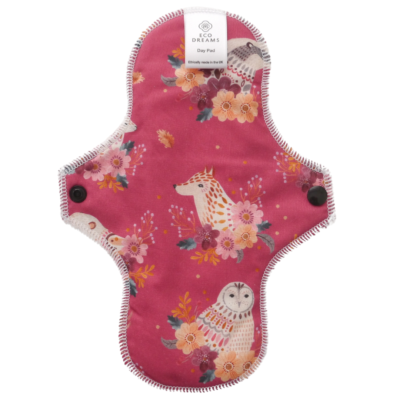
Day Pad Forest Friends
Original price was: £10.50.£6.99Current price is: £6.99. -
Sale!
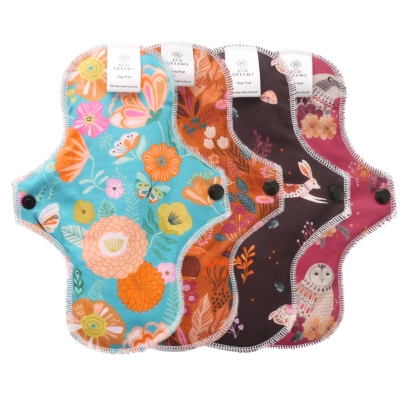
Day Pad Booster Pack
Original price was: £35.70.£24.99Current price is: £24.99. -
Sale!

Day Pad Wildwood Wonders
Original price was: £10.50.£6.99Current price is: £6.99. -
Sale!
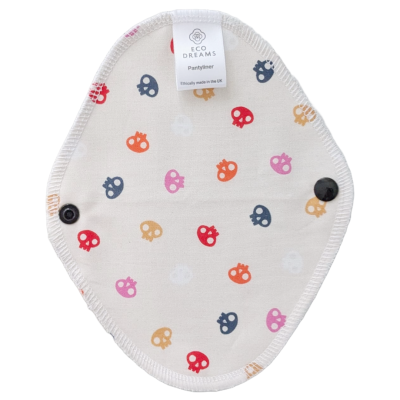
Pantyliner-Limited edition
Original price was: £7.50.£3.00Current price is: £3.00.