

Are Reusable Period Pads Better for the Environment? Today, more people are becoming aware of the impact they have on the environment. From reducing plastic use to recycling, there are many ways to make a difference. One commonly overlooked area is feminine hygiene. Did you know that millions of disposable pads and tampons end up in landfills each year? The good news is, there is an alternative: reusable pads. In this blog post, we will explore whether reusable pads are indeed better for the environment.
The production of disposable sanitary pads and tampons involves a tremendous amount of resources and energy.
Manufacturers use a variety of materials, including plastic and wood pulp. These materials not only take a long time to decompose but also contribute to deforestation. Additionally, they produce a significant amount of waste that ends up in landfills, where it takes hundreds of years to break down. In contrast, reusable pads are made from natural, sustainable materials such as cotton or bamboo, making them a more eco-friendly option.
Another point to consider is the environmental impact of transportation. Disposable pads and tampons are produced in large quantities and shipped to stores all over the world, adding to carbon emissions. In contrast, reusable pads can be made locally, reducing the amount of fossil fuels used in transportation.
In terms of water usage, disposable pads and tampons require a significant amount of water to be produced.
Cotton, one of the most common materials in disposable products, requires large amounts of water to grow. In contrast, reusable pads can be washed and dried with minimal water usage, making them a more sustainable option in the long run.
Furthermore, the cost of disposable pads and tampons can add up over time, making them an expensive option. In contrast, reusable pads can last for several years with proper care, making them a more cost-effective and sustainable option.
In summary, reusable period pads are indeed better for the environment than disposable pads and tampons. They are made from sustainable materials, can be produced locally, use less water, and are more cost-effective in the long run. Making the switch to reusable pads may seem daunting at first, but it is a small step towards a more sustainable lifestyle. By making conscious choices, we can make a positive impact on the environment and ensure a better future for generations to come.
Join the conversation over on our Instagram
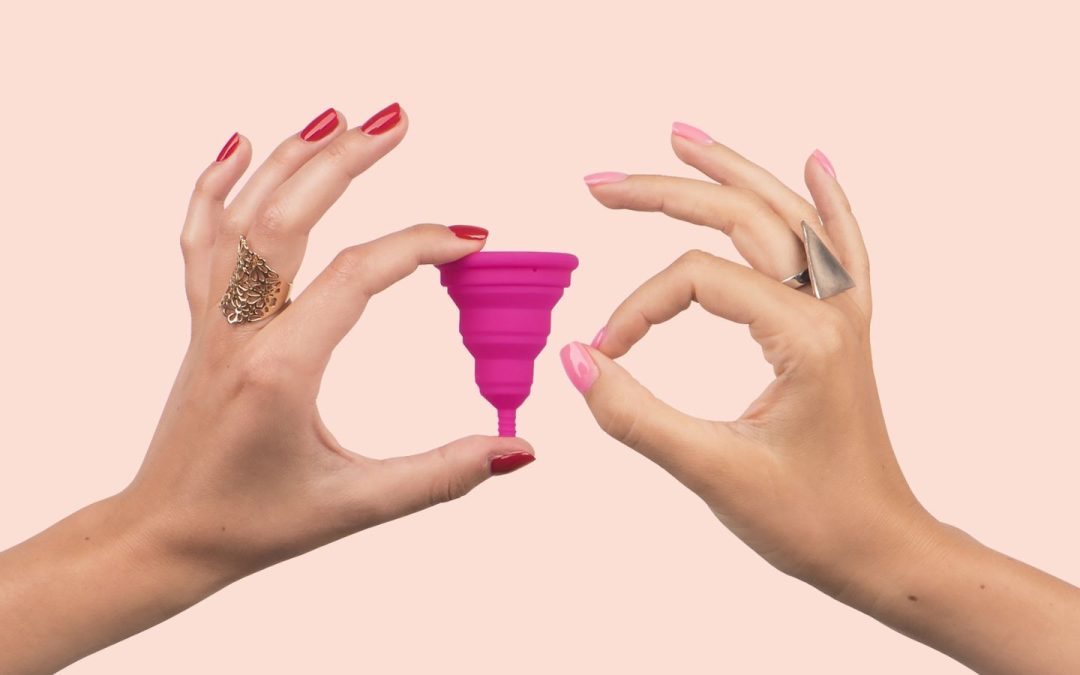
Vaginismus and Menstrual Cups: What You Need to Know
Vaginismus is a condition where the muscles of the pelvic floor involuntarily tighten when penetration is attempted. This makes sex and using internal products like tampons painful. In terms of using a menstrual cup the important thing is making sure that it's the...
Related products
-
Sale!

Day Pad Plus Blooms
Original price was: £11.50.£8.12Current price is: £8.12. -
Sale!
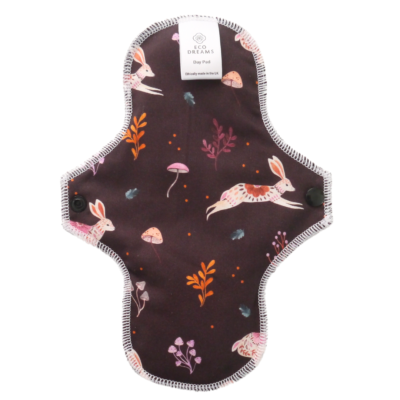
Day Pad Wild at heart
Original price was: £10.50.£6.99Current price is: £6.99. -
Sale!
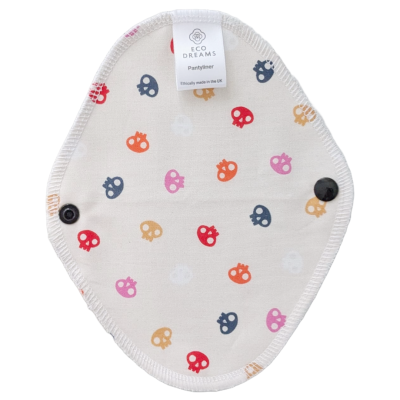
Pantyliner-Limited edition
Original price was: £7.50.£3.00Current price is: £3.00. -
Sale!

Day Pad Wildwood Wonders
Original price was: £10.50.£6.99Current price is: £6.99.